The complete online course for athletics coaches who want a real system behind their sessions — technical models, plyometric progressions, and season plans built over 14 years developing jumpers in Birmingham and beyond.
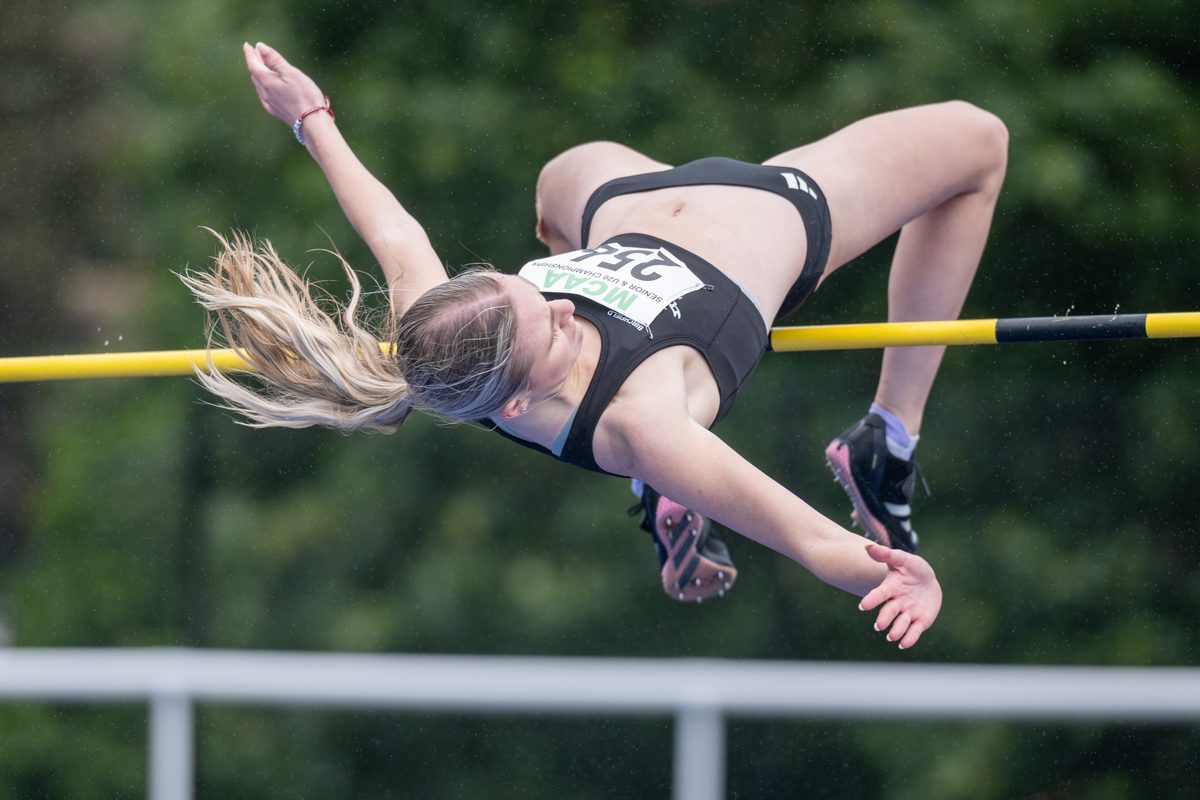
You've read the textbooks. You've watched the slow-mo of the world final forty times. You know what a good penultimate step looks like. And yet on a wet Tuesday night at the track, with eleven athletes and one runway, you're improvising.
So the session becomes drills you half-remember. The plyometrics get bolted on because someone should be doing plyometrics. The kid who jumped 5.40m in May is still jumping 5.40m in August, and you can't quite say why.
Here's what nobody tells new jumps coaches: the best coaches aren't smarter than you and they don't know secret drills. They have a model — a clear picture of what they're building, in what order, and how they'll know it's working. Everything they do on the track hangs off that model.
That's what this course gives you.

I've spent fourteen years on cold runways in the Midlands working out what actually moves a jumper forward — and, just as often, what doesn't.
I came up through club athletics, qualified as a Level 4 strength and conditioning coach, and have spent the years since coaching jumpers from their first competition through to national level. Alongside SOAR I still coach athletes one-to-one and online, which means everything in this course is what I'm using this week, not what I learned on a course a decade ago.
I built this because the coaching pathway leaves a gap. You get qualified, you get handed a group, and then you're on your own. This is the resource I wanted when I was standing at the side of a runway at twenty-three with no idea what to say next.
Dan's coaching plans are super simple to follow and improved the quality of my winter work
Add Eve's review here
Add Daisy's review here
Winter training can be a headache to plan. Let us do it for you. Take a look at our new winter training programme, which can be used and adapted for sprinters and jumpers aged 15 and up. Inside you'll find gym sessions, training on the track, and active rest — all planned out in an easy-to-read way. Each weekly plan can be downloaded, printed, and shared with your athletes. £75 can cover an entire training group.
Eight modules, video lessons, and the planning tools I use with my own squad — plus direct access to me when you get stuck.
A full curriculum from technical models through to annual planning. Follow it in order or dip into what you need this week.
Track-side footage, whiteboard breakdowns, and frame-by-frame technical analysis of real athletes — not stock elite clips.
Editable session plans, plyometric progressions, and a full macrocycle template you can adapt to your own squad tomorrow.
A private group of jumps coaches sharing sessions, video, and problems. The bit most courses skip and coaches miss most.
Submit footage of your athletes and get it broken down on the monthly live call. Learn to see faults, not just fix them.
Pay once. Every new module, template, and clinic recording lands in your account for good.
Built in the order you actually need it — understand the event, build the athlete, then plan the year around both.
Before you coach a single drill, you need a clear picture of what you're building. This module gives you a working technical model for each horizontal and vertical jump — and, more importantly, teaches you which parts are non-negotiable and which are individual style.
By the end you'll know exactly what you're looking at when an athlete jumps.
Most jumps are won or lost before take-off. This module covers building, measuring, and troubleshooting an approach that's repeatable under pressure — including what to do when your athlete is stuttering into the board at a championship.
Your athletes will hit the board consistently — and know how to self-correct when they don't.
Where most coaches guess. A properly sequenced plyometric progression from ground contact basics through to high-intensity bounding — with clear rules on volume, surface, and readiness so you're building athletes rather than breaking them.
A plyometric plan you can defend, progress, and repeat.
Delivered from a UK Level 4 S&C perspective, but written for athletics coaches. What jumpers actually need from the gym, how to programme it alongside track work, and how to stop the two fighting each other.
A gym programme that makes your athletes jump further, not just lift more.
The event most coaches avoid, taught properly. Phase ratios, rhythm, and the specific conditioning triple jump demands — plus how to introduce it safely to young athletes without wrecking their shins.
Confidence to take on triple jumpers instead of passing them on.
How to film, what to look at, and — critically — how to work out which single fault to fix first. Includes full worked analyses of real athletes at club, county, and national level.
You'll stop guessing at faults and start diagnosing them.
Turn everything above into a year. Periodisation for a UK athletics calendar — indoors, outdoors, school exams, half terms, and the realities of a two-session-a-week club athlete.
A written annual plan for your own squad, finished by the end of the module.
The part no qualification covers. How to run a group people want to be part of, communicate with parents, manage competition days, and — if you want it — build coaching into paid work.
A squad that stays, improves, and brings other athletes with it.
Coaching is a business expense for most self-employed coaches in the UK — worth a conversation with your accountant.
No. The course assumes you understand the basics of athletics but doesn't assume any formal jumps qualification. Most coaches taking it hold a Level 1 or 2 and want the depth that those awards don't have room for. It complements the UKA pathway rather than replacing it — you still need your licence to coach at a club.
Entirely self-paced. Most coaches work through a module a week alongside coaching, so around eight weeks — but you have lifetime access, so plenty come back to the planning modules every pre-season. Each module is roughly 60–90 minutes of video plus the templates.
The plyometrics, strength and conditioning, video analysis, and season planning modules transfer directly to any speed-power event. The event-specific technical modules obviously won't. Plenty of sprint coaches take it for the reactive strength work alone.
Most of the course is built around exactly that. There are alternatives throughout for grass-only sessions, sports halls, and squads with no gym access — because that's the reality for a large share of UK club and school coaching.
Yes. The private community is where most questions get answered, usually within a day or two. On top of that there's a monthly live clinic where you can submit athlete footage and have it analysed on the call. All clinics are recorded.
Yes — three monthly instalments, selectable at checkout. Access to everything is granted immediately on the first payment.
Because access to the full library is immediate, sales are final. If something isn't working for you, email and we'll sort it — but please make sure the course is right for you before enrolling.
You'll receive a certificate of completion listing the modules and hours, which most coaches log as informal CPD. It isn't a UKA-accredited award — check with your home nation body for their specific requirements.
 Last thing
The only question is whether those sessions add up to something. Give them a system — and give yourself the confidence that comes with knowing exactly why you're doing what you're doing.
£250 · Lifetime access · Payment plan availableThe course is the fastest way in. If you or your athlete want individual attention, there are two other ways to work together.
Individual programming delivered monthly, with video analysis, written feedback, and ongoing message support. For athletes without a specialist jumps coach nearby, and for coaches who want a mentor on their own squad.
Enquire about availability Birmingham · In personTrack-based sessions in the Birmingham area covering technical work, plyometrics, and strength and conditioning. Individual sessions, blocks, and small squad slots available across the year.
Check session times